
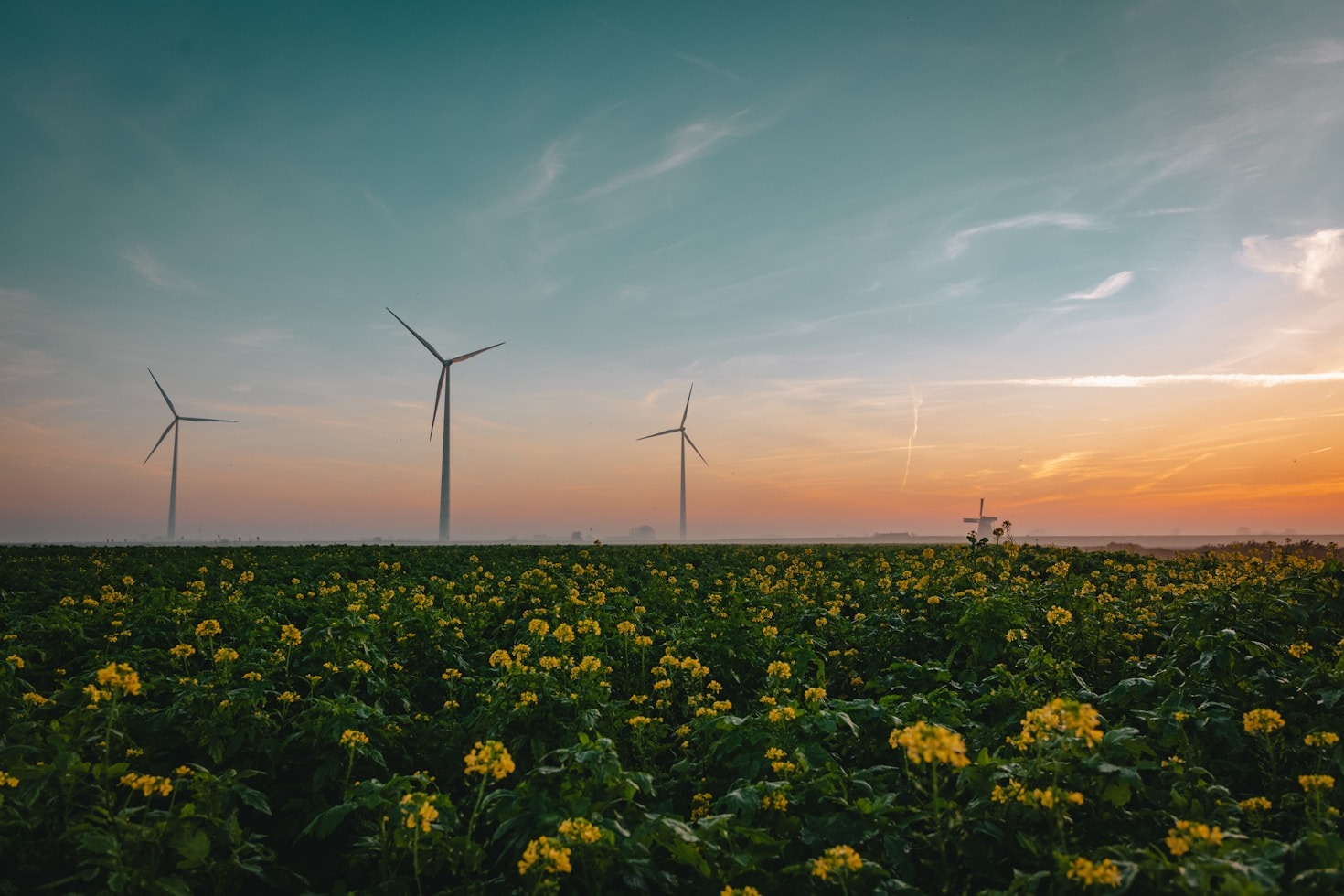
The pursuit of global sustainability—meeting our needs without compromising the ability of future generations to meet theirs—is the defining challenge of our century. It is a complex puzzle with interconnected pieces: conservation, circular economies, sustainable agriculture, and social equity. Yet, one piece is so foundational that without it, the entire picture collapses. That piece is the systemic transition from fossil fuels to renewable energy. More than just a switch in power sources, renewable energy is the essential engine driving the entire project of a sustainable future, acting as the linchpin for environmental integrity, economic stability, and social progress.
The Environmental Imperative: Decarbonizing Our Existence
The most urgent role of renewables is environmental. The burning of coal, oil, and gas for energy is the primary driver of human-caused climate change, responsible for over 75% of global greenhouse gas emissions. This is the core problem; renewable energy is the core solution.
Technologies like solar photovoltaic (PV), wind, hydropower, and geothermal generate electricity with minimal to zero operational emissions. By displacing fossil fuel-based power, they directly and dramatically reduce the carbon intensity of our economies. But their environmental benefits extend far beyond climate mitigation. Renewables drastically cut air pollution, reducing the burden of respiratory and cardiovascular diseases linked to coal plants and vehicle exhaust. They require significantly less water for operation than thermal power plants, preserving precious freshwater resources in an increasingly water-stressed world. Furthermore, well-sited projects, coupled with smart grid management, minimize ecological disruption compared to the pervasive pollution from extraction, transportation, and combustion inherent to fossil fuels. In essence, renewables offer a pathway to power human civilization without poisoning its air, water, and climate.
The Economic Catalyst: Fueling Resilient and Inclusive Growth
For decades, the narrative painted sustainability as an economic cost. Renewable energy has flipped this script, proving to be a powerful engine for economic transformation and resilience.
First, it is a job creator. The renewable energy sector is more labor-intensive in installation, manufacturing, and maintenance than the highly automated fossil fuel industry. Jobs are created locally—from technicians installing rooftop solar panels to engineers optimizing wind farms—and are not subject to the volatile boom-and-bust cycles of commodity markets.
Second, it enhances energy security and price stability. Nations reliant on imported fossil fuels are vulnerable to geopolitical shocks and price spikes. Sun, wind, and water are domestic resources, free from embargoes. While the infrastructure requires upfront investment, the “fuel” itself is free, leading to predictable, long-term energy costs. This stability is a boon for businesses and national economies alike.
Finally, renewables are now the most cost-effective source of new electricity in most of the world. The dramatic, consistent declines in the cost of solar PV and wind power—driven by innovation, economies of scale, and supply chain maturation—have made them cheaper than new coal or gas plants. This economic reality, not just environmental sentiment, is accelerating their adoption and unlocking capital for the transition.
The Social Enabler: Powering Equity and Development
The role of renewables extends powerfully into the social dimension of sustainability. Over 700 million people still live without access to electricity, predominantly in rural areas of developing nations. Extending the centralized fossil-fuel grid to these remote communities is often prohibitively expensive and slow.
Decentralized renewable systems, like microgrids powered by solar and batteries or small-scale hydropower, provide a leapfrog solution. They can be deployed faster and more affordably, bringing life-changing electricity to homes, schools, and clinics for the first time. This powers education (light for studying), improves health (refrigeration for vaccines), enables economic activity (power for tools and machinery), and empowers women and girls by reducing the time spent gathering biomass for cooking fires. Renewable energy, therefore, is a direct tool for poverty alleviation and equitable development, ensuring the benefits of modern energy access are shared globally.
The Systems Integrator: Enabling a Sustainable Future
Renewable energy’s most profound role may be as the foundational platform upon which other sustainable systems depend. A truly circular economy, reliant on recycling and re-manufacturing, requires vast amounts of clean energy to be sustainable. Electrifying transport and heating—shifting cars, buses, and buildings from oil and gas to electricity—only reduces emissions if that electricity is generated cleanly. Emerging solutions like green hydrogen (produced using renewable electricity) for heavy industry and carbon capture technologies all require massive amounts of low-carbon power to be viable.
In this way, renewable energy is not merely one solution among many; it is the keystone. It transforms electrification from a shift in consumption to a leap in sustainability. It provides the clean power needed to decarbonize every other sector of the economy.
Conclusion: More Than Megawatts
The role of renewable energy in global sustainability transcends the generation of megawatts. It is the critical intervention that simultaneously addresses the climate crisis, builds more stable and prosperous economies, and fosters a more equitable world. It is the technical foundation that makes the vision of a sustainable future physically possible. Our task is no longer to prove its viability, but to accelerate its integration—through supportive policy, continued innovation, and strategic investment—ensuring that this clean, limitless power fuels not just our grids, but our collective hope for a thriving, resilient planet.
Deja un comentario