
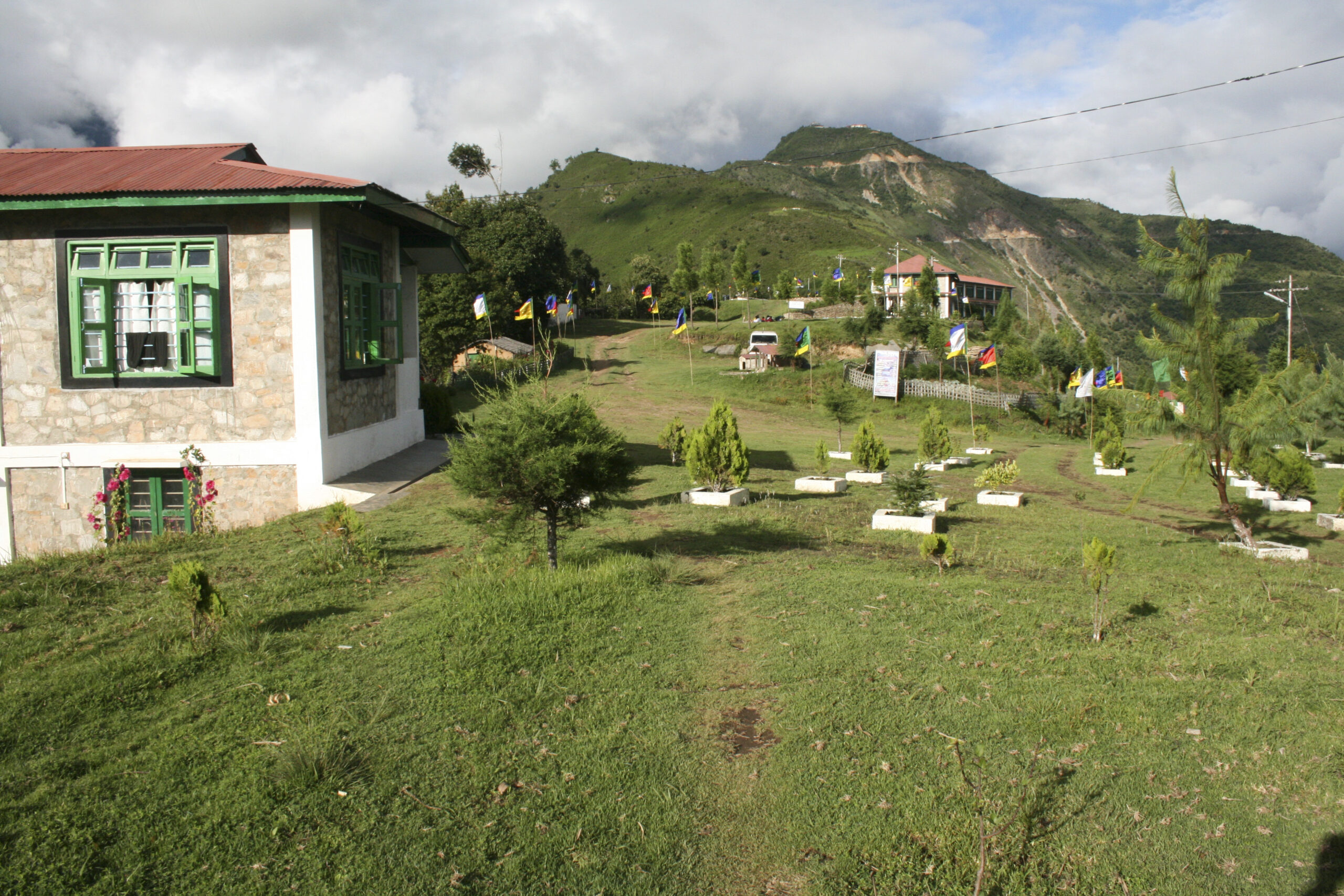
The Sustainable Village Blueprint: Power, Shelter, Water & Wisdom for Our Future
For too long, the conversation about a sustainable future has been dominated by visions of sprawling smart cities and global tech solutions. But the true heartbeat of resilience and innovation may well be found on a more human scale: in communities of a couple hundred people. At this size, a village can be agile, deeply connected, and a perfect testing ground for innovations that harmonize technology with nature. The future of sustainability for these communities isn’t about flashy, distant concepts; it’s about practical, integrated systems for power, shelter, water, and most importantly, shared knowledge.
Energy: The Democratized Microgrid
For a village of a few hundred individuals, energy independence is the cornerstone of sovereignty and sustainability. The future here belongs to the renewable microgrid. Imagine a network of solar panels on every rooftop and a shared community solar field, paired with a cluster of small-scale wind turbines on a nearby ridge. This system is stabilized by a second-life battery bank—repurposed electric vehicle batteries finding a useful second act. The innovation isn’t just in the panels, but in the smart, simple software that allows the community to manage its own energy democratically. Residents can trade excess power peer-to-peer, ensuring the local school or clinic never goes dark. This isn’t just clean power; it’s community-powered resilience.
Shelter: Homes That Are Alive & Adaptive
Sustainable shelter for a modern village moves beyond mere efficiency. It embraces biophilic design and circular materials. Homes are built from locally sourced, regenerative materials: compressed-earth blocks, straw-bale insulation, and timber from sustainably managed community woodlots. The innovation is in their adaptability and life cycle. Green roofs and living walls manage stormwater, provide insulation, and grow food. Designs prioritize passive heating and cooling, making homes comfortable with minimal mechanical input. Crucially, these structures are designed for disassembly; materials can be reclaimed and reused, ensuring the village’s physical footprint is a closed loop, not a source of waste.
Water: Closing the Loop, Drop by Drop
Clean water security is non-negotiable. The sustainable village of the future employs a multi-layered “slow, absorb, and purify” strategy. Innovation starts with catchment: rooftop rainwater harvesting systems feed into communal storage cisterns. Permaculture-inspired swales and rain gardens slow runoff, allowing it to replenish the aquifer. For purification, nature-led technology takes center stage. Constructed wetlands, using specific plants and gravel filters, treat greywater from homes for safe reuse in irrigation. For drinking water, robust, low-maintenance ultrafiltration systems powered by the community microgrid provide a final, reliable barrier of safety. This approach views every raindrop as a valuable resource to be cycled, not wasted.
Education: The Engine of Perpetual Innovation
The most critical system is not technological, but human. Without a dedicated community stewardship program, even the best technology will falter. The innovation is a living curriculum: regular, hands-on workshops led by both resident experts and rotating outside specialists. These programs train villagers in maintaining the microgrid, diagnosing water system issues, practicing regenerative gardening, and building with local materials. This education creates a shared language of sustainability and a deep bench of local skills. It turns every resident into a guardian of the systems they depend on, ensuring knowledge—like water and energy—is circulated and never depleted.
The future of sustainability is local, tangible, and communal. For our target communities, it is a blueprint of interdependent systems where clean power empowers, living shelters nurture, smart water systems sustain, and continuous education connects it all. This is the model of a resilient future—not as a distant dream, but as a homegrown reality, built and tended by the community it serves.
Deja un comentario